
ISV Marketing, Visibility & Partner Ecosystem Growth
The ISV Society Blog helps Independent Software Vendors (ISVs) build clarity, visibility, community, and collaboration within ERP and technology ecosystems.
Explore practical insights on ISV marketing, partner marketing, ecosystem engagement, thought leadership, community building, joint initiatives, and growth strategies designed to help software companies become known, trusted, and recommended.
Why Partners Don't Recommend More ISVs
One of the most common questions I hear from ISVs is: "Why aren't our partners recommending us more often?"
It's a fair question.
You've built a good solution.
You've invested in integrations.
You've attended events.
You've had conversations.
Maybe you've even signed partnership agreements.
So why aren't more referrals happening?
The answer is usually not what people expect.
Most of the time, it's not because partners don't like your solution.
It's not because they don't trust your team.
And it's usually not because another vendor has a better product.
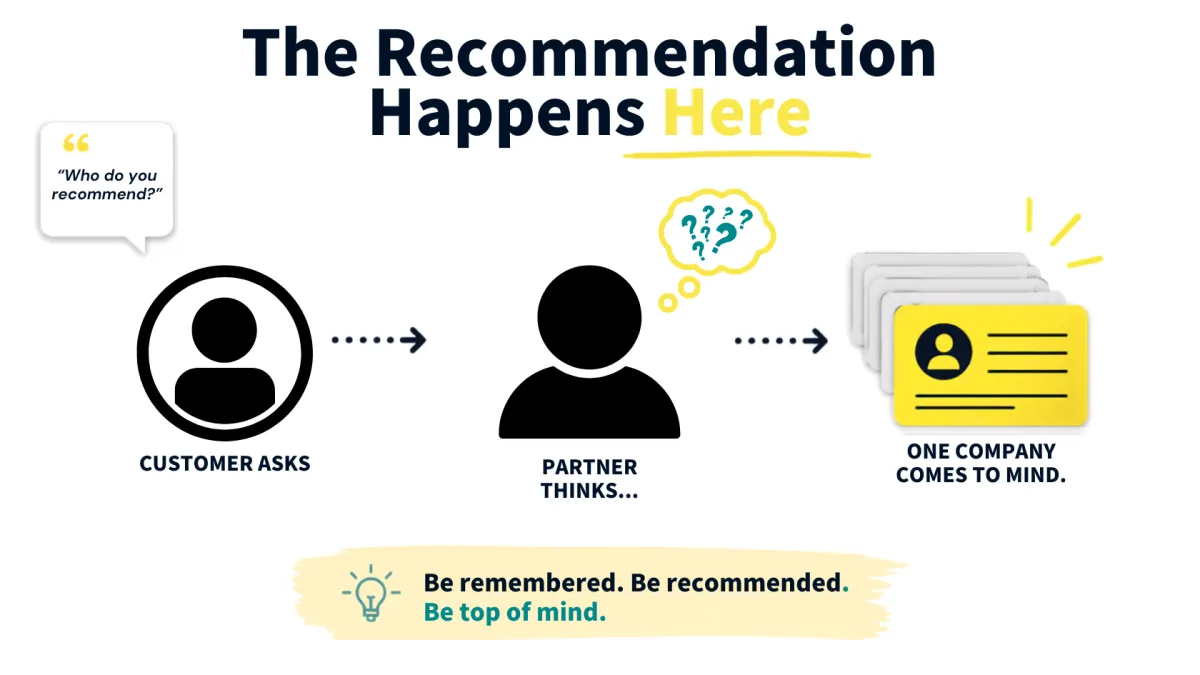
More often than not, referrals don't happen because of familiarity.
Think about your own behavior.
When someone asks for a restaurant recommendation, a book suggestion, or a contractor referral, what do you do?
You recommend the names that immediately come to mind.
The ones you know.
The ones you've seen.
The ones you've heard people talk about.
Partner recommendations work the same way.
Partners Can't Recommend What They Don't Remember
Every ERP ecosystem is crowded.
Partners are exposed to hundreds of software vendors.
Even if they like your solution, they aren't thinking about it every day.
When a customer asks for help solving a problem, the vendors that come to mind first often have an advantage.
Not necessarily because they're better.
Because they're familiar.
Familiarity Is Built Through Repeated Exposure
Most referrals happen long before a referral conversation takes place.
They happen through:
Industry events
Community participation
Educational webinars
Podcasts
Shared content
Partner conversations
Customer success stories
Every interaction helps reinforce your place in someone's memory.
The goal isn't to be everywhere.
The goal is to be visible often enough to be remembered.
Make It Easy to Explain What You Do
Even when partners remember your company, they still need confidence explaining your value.
Can they quickly answer:
What does your solution do?
Who is it designed for?
What business problem does it solve?
When should they recommend it?
If the answer isn't clear, referrals become harder.
The easier your story is to repeat, the easier it becomes for others to advocate for you.
Partnerships Require Participation
Many ISVs think partnerships are built through agreements.
In reality, they're built through participation.
The strongest partner relationships often come from:
Working together on initiatives
Sharing knowledge
Attending the same events
Supporting each other's efforts
Creating content together
Partnerships become stronger when people interact regularly.
One Event Rarely Changes Everything
It's easy to believe that one conference, one webinar, or one sponsorship will create momentum.
Sometimes it helps.
But most recommendations aren't the result of one interaction.
They're the result of many interactions.
A partner sees you at an event.
Then hears you on a podcast.
Then attends a webinar.
Then sees a LinkedIn post.
Then they collaborate with you.
Over time, familiarity grows.
And familiarity often leads to recommendations.
The companies that stay top of mind are usually the ones that participate consistently, not occasionally.
A Better Question
Instead of asking: "Why aren't partners recommending us more?"
Try asking: "How often are we giving partners reasons to remember us?"
That shift changes everything.
Because referrals aren't usually a product problem.
They're often a familiarity problem.
And familiarity grows through clarity, visibility, community, and collaboration.
The more consistently you participate, the easier it becomes for partners to remember you, trust you, and recommend you when the opportunity arises.
And that's often where growth begins.

© Copyright 2022 The ISV Society